
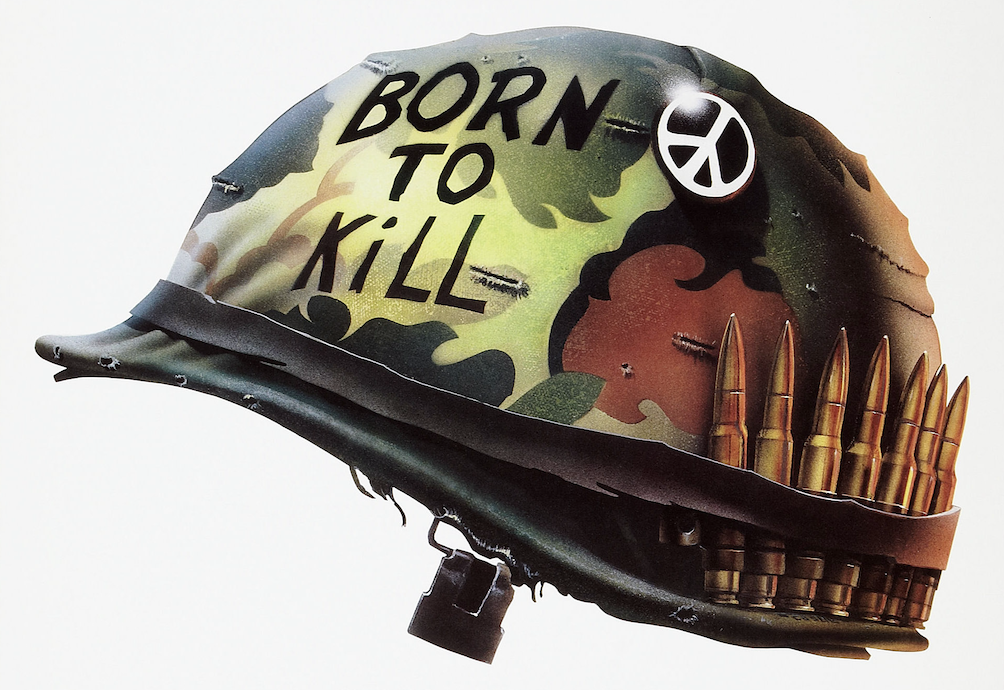
This course offers a wide-ranging exploration of American fictions of war, tracing how literary narratives have shaped and been shaped by the nation’s experience of conflict from the Revolutionary era to the present. We will examine representations of the American Revolution, the Civil War, and major conflicts of the twentieth and twenty-first centuries, including World Wars I and II, Vietnam, and more recent engagements. The course places canonical authors such as Walt Whitman, Stephen Crane, and Ernest Hemingway in dialogue with contemporary voices like Viet Thanh Nguyen, highlighting both continuity and transformation in the aesthetics of war. Through these texts, we will consider how writers grapple with violence, trauma, memory, and national identity, as well as how narrative form itself adapts to the pressures of representing extreme experience. We will explore questions of gender, race, and power, and how different perspectives (e.g., front line versus home front) complicate dominant narratives of heroism and sacrifice. By the end of the course, students will have developed a nuanced understanding of how American war fictions function as both artistic expressions and critical interventions in the historical and political discourse surrounding military combat.
- Enseignant·e: Michael Boyden